Big Island volcano and stargazing itinerary
Pair Kīlauea’s raw volcanic landscapes with a Maunakea sunset and star session and you have one of those short trips that reads beautifully on screen and feels memorable in person. The planning is where most trips wobble, so this guide collects the official checks, practical choices, and timing you need to make a smooth Big Island microcation. Read the safety musts first, then use the sample itinerary and packing list to simplify booking and shooting your cinematic footage.
Quick orientation: the authoritative sources to check
For volcano status, air quality, and park operations, rely on three official resources before you book and again within 24 hours of travel:
- USGS Hawaiian Volcano Observatory Kīlauea updates for current activity and advisories, including seismicity and SO2 conditions. Check this the morning of any park visits.
- National Park Service Hawaiʻi Volcanoes National Park Alerts and Conditions for access notices and the temporary Welcome Center location.
- Hawaiʻi Department of Health and the Interagency Vog Dashboard (IVHHN) for real-time SO2 and vog monitoring, and for health guidance when emissions are elevated.
Geek Tip: Bookmark USGS HVO Kīlauea updates and the IVHHN vog dashboard on your phone. A single quick look the morning of your volcano day tells you whether to proceed, delay, or change plans.
Kīlauea and park operations, what the official pages say
In 2026 Kīlauea is monitored continuously by USGS HVO and remains episodically active. That means eruptive episodes and SO2 emissions can change the viewing picture quickly, and vog can affect air quality on and off the island. Hawaiʻi Volcanoes National Park is open 24 hours, but specific roads and overlooks change with conditions. The Kīlauea Visitor Center building has been closed for renovation since February 2025. Visitor services, ranger briefings, the park store, and passport-stamp station currently operate from a temporary Welcome Center at Kilauea Military Camp, typically open daily from 9:00 to 16:45. Stop there first to confirm the latest viewpoint and trail access advice.
Vog and health planning
SO2 emissions from Kīlauea can create vog that reduces visibility and causes eye, nose, and respiratory irritation. The Hawaiʻi Department of Health posts advisories and links to live readings. The IVHHN vog dashboard shows current SO2 and PM2.5 readings, which is the practical tool for deciding whether to proceed if anyone in your group has asthma, COPD, or other respiratory sensitivities. Bring rescue inhalers and masks if you or companions are vulnerable, and check the dashboards the morning you plan to go to the park.
Where to base yourself: simple split-stay logic
Your base depends on which experience you prize.
- Hilo or Volcano Village, best if Hawaiʻi Volcanoes National Park is the priority. Shorter drives to park entrances, easy access to the temporary Welcome Center, and more local services make early starts simple.
- Kona, Waikoloa or Kohala, best if Maunakea summit tours and western beaches are your priority. West-side resorts offer more evening dining options and transfer rhythms geared to summit tour pickups.
A split stay works well for a three-day microcation: two nights on the Kona side for Maunakea access, one night near Hilo or Volcano Village to give the park a dedicated morning and reduce return-drive pressure.
Maunakea practicalities: VIS, summit access and tour realities
Maunakea is a managed, high-elevation destination with rules designed to protect safety and cultural stewardship. The Onizuka Center for International Astronomy Visitor Information Station, commonly called the VIS, sits at about 9,200 feet and runs public exhibits and programs. The VIS is the recommended acclimatization stop before higher-elevation activity and is typically open daily, commonly from 9:00 to 21:00.
Important operational points from university and operator materials:
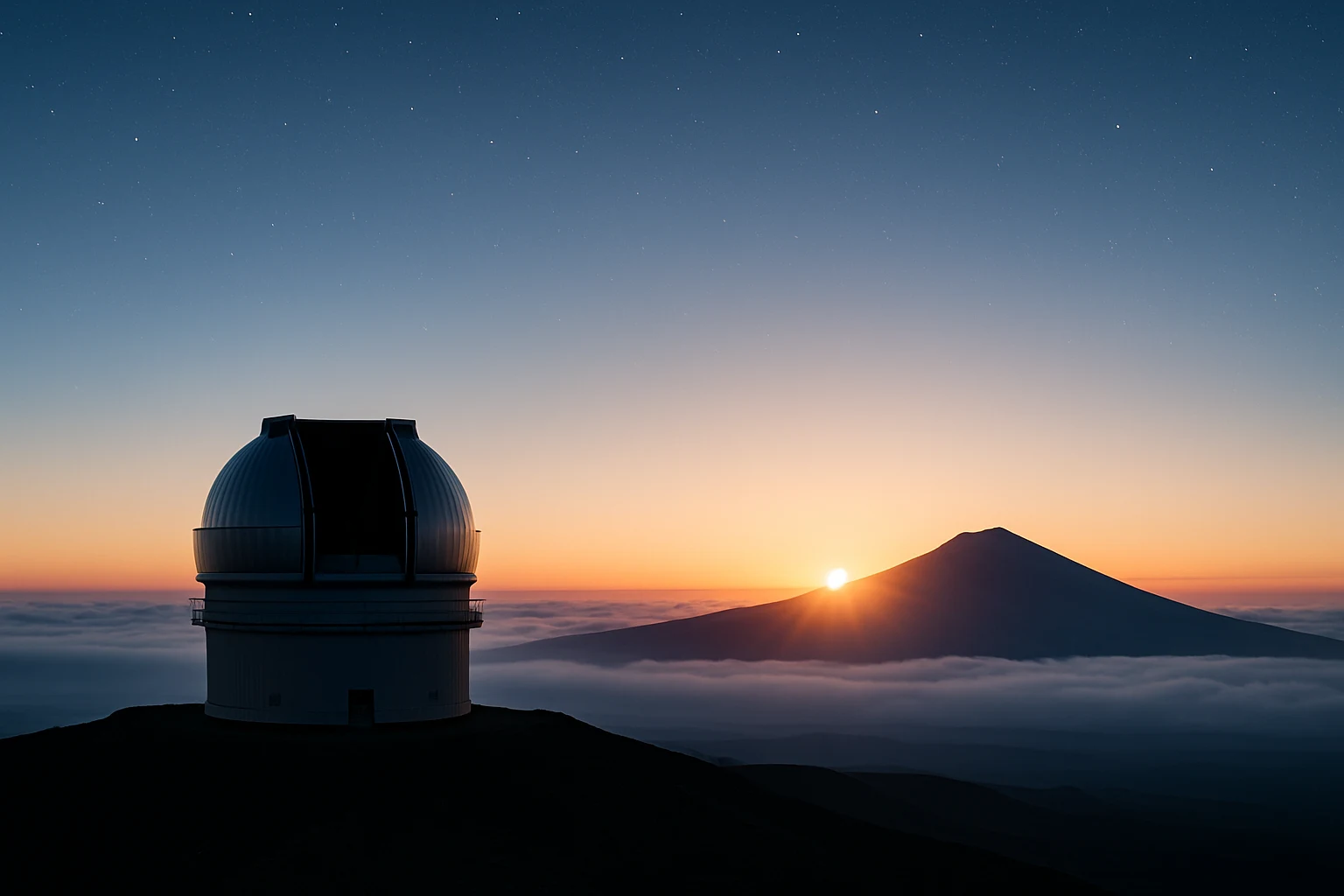
- The summit road opens 30 minutes before sunrise and closes 30 minutes after sunset. Public access to the summit at night is restricted, so summit tours typically watch sunset from the summit and then descend to dark pullouts or locations near the VIS for telescope viewing.
- Beyond the VIS the unpaved summit access requires a 4WD vehicle with low-range. Many rental contracts prohibit driving the summit road, and operators handle transport for most visitors to avoid damage risk and contract violations.
- A commercial stewardship passenger fee of $20 per tour passenger went into effect in November 2025. Operators typically include or list this fee in advertised prices.
- Summit and night tours are weather dependent and can be canceled for poor conditions. Operators post age and health cautions; confirm limits and policies when you book.
Geek Move: For most visitors, book a licensed summit and stargazing tour that includes VIS acclimatization, transport, and a stewardship fee. It reduces risk, removes rental-car headaches, and typically delivers the best summit sunset window and telescope setup for the price.
Timing, booking and flexibility
Maunakea tours depend on clear skies and summit conditions, so schedule with flexibility in mind. Operators often run sunset-and-stars programs that depart in the afternoon and return late at night. If your schedule is tight, consider allowing an extra day or buying flexible interisland tickets so a weather cancel does not wreck the whole trip. Confirm pickup points, what is supplied, and cancellation rules directly with the operator before booking.
Sample realistic three-day microcation
This plan is paced for comfort and to keep driving sensible. Adjust the order depending on your flight arrival and which side of the island you want to sleep on.
Day 1: Kona arrival and Maunakea night
- Arrive on the west side, check into your Kona-area lodging, and use the afternoon to rest and hydrate for altitude later.
- Join your summit and stargazing tour, which commonly picks up in mid-afternoon and returns late after sunset and telescope viewing near the VIS.
Day 2: Recovery and transfer toward Hilo or Volcano Village
- Take a slow morning. Drive or fly toward Hilo, stopping for viewpoints and to stretch. Having one night near Volcano Village or Hilo reduces the pressure for an early volcano morning drive.
Day 3: Hawaiʻi Volcanoes National Park
- Begin at the temporary Welcome Center at Kilauea Military Camp to get the latest park advice, then check USGS HVO updates and the IVHHN vog dashboard before selecting overlooks or short walks.
- Plan for shorter trails if vog is present and avoid exposure if any member of your party is sensitive to SO2.
Packing and health checklist
- Warm layers for Maunakea, including a windproof outer layer; nights and high elevation are cold even after a warm island day.
- Closed-toe shoes and long pants for higher-elevation pullouts and park trails.
- Water and electrolyte support, since altitude and dry air increase dehydration risk.
- Rescue inhalers, any prescriptions, and masks for those sensitive to vog; check DOH and IVHHN advice when SO2 is elevated.
- Camera tripod and interval timer for night photography. Operators and the VIS often have telescope setups, but bring what you need for your own shots.
Safety and etiquette reminders
Follow official park signage and ranger guidance at Hawaiʻi Volcanoes National Park. Do not attempt to reach active vents or unmarked pullouts. For Maunakea, respect restricted summit hours and cultural stewardship rules. If you will be photographing at night, be mindful of other visitors and operator safety briefings.
Geek Check: Before final payment or departure, verify these items: current USGS HVO Kīlauea update, NPS park Alerts and Conditions, IVHHN vog dashboard, VIS hours, whether your Maunakea operator includes the $20 stewardship fee, the operator’s age and health rules, and your rental contract language about driving the summit road.
Who this trip is best for
This microcation fits friends, couples, and adventure travelers who want a compact, visual arc: volcanic landscapes followed by a summit sunset and professional telescope viewing. It balances an achievable itinerary with important safety and health checks, and it rewards modest extra spend on a guided Maunakea experience if you want the summit sunset without the logistical friction.
Where to book and next steps
Book Maunakea summit and stargazing tours through licensed operators that list pickup points and stewardship fees. For volcano-day decisions, confirm HVO and NPS pages within 24 hours. If soot or gas levels look elevated, shift the park morning to another day or choose lower-elevation VIS programs instead.
That is the practical arc: check the official sources, choose the right base, and let licensed operators handle summit logistics so you can enjoy the sunset and the stars.
Thats the Getaway Geek move: spend smarter, travel better.
Travel information, prices, availability, requirements, and policies were accurate when researched and may change. Confirm current details directly with the relevant provider or official source before booking or traveling.