Samaná Whale-Watching Guide 2027: Book the Best Whale Encounters and Cayo Levantado Day Trips
Samaná has one of the Caribbean’s most reliable winter wildlife shows: Atlantic humpback whales visit the protected waters of Samaná Bay each year to court, mate and calve. The Dominican Republic’s tourism site lists the sanctioned watching season as January 15 to March 30, with the busiest, most active weeks generally in early to mid February. Treat that window as your planning north star if you want the best odds of close, sustained sightings. Geek Tip: aim for a morning departure to combine a whale-watching run with an afternoon visit to Cayo Levantado, when cruise crowds on the island are usually lighter.
When to go and what the season really means
The official season runs January 15 to March 30, with a peak of activity in early to mid February, according to the Dominican Republic Ministry of Tourism. That means operators run permitted tours across that span; timing the peak weeks improves the odds of seeing courtship displays, breaching and mother-calf behavior, while earlier or later dates can still produce excellent encounters but with fewer boats and slightly lower activity.
How whale-watching is regulated in Samaná
Watching whales here is not a free-for-all. The technical regulation for whale observation, based on Resolution 043-2018, sets the ground rules for operators and visitors. The key points to know before you book or board:
- Operators must hold MMARN authorization to run whale-watching trips; the ministry opens an annual authorization process for vessels and companies. Past authorization windows were advertised on the MMARN site, showing it is an annual formal process.
- There are strict limits on how many vessels may approach a single whale or group: the summarized regulations note a maximum of three vessels for observation, and fewer boats are allowed when calves are present.
- Swimming with whales is prohibited, and there are rules on vessel speed, distance, and anchoring to protect animals and habitat.
These rules both protect the whales and make for a calmer, safer viewing experience.
Geek Check: before booking, ask your operator to confirm current MMARN authorization. The Ministry of Environment’s past announcements document an annual permit window and underline that only authorized vessels should run whale-watch trips.
Where boats leave, trip length and what to expect on board
Most certified whale-watching boats board from Santa Bárbara de Samaná pier, though many operators pick up guests from Las Terrenas or Las Galeras and run combined transfers. Typical outings are three to four hours in total, with roughly one to two hours spent in the whale area. Some providers advertise naturalists on board and hydrophones so passengers can hear whale song, adding an educational layer to the sighting.
Boat choice and who it suits
- Families and anyone who prefers stability should look for larger boats with shade and onboard toilets.
- Photographers and couples often prefer smaller-group excursions for better rail access and fewer competing viewpoints.
- If hearing whale song matters to you, ask whether the boat carries a hydrophone and an on-board naturalist.
How to choose an operator
Three practical checks will point you to a responsible provider:
- Confirm MMARN authorization, either on the operator’s website or by asking directly.
- Check whether a naturalist, guide, or hydrophone is part of the offering if interpretation and quiet observation are a priority.
- Match boat size to the kind of day you want: stability and comfort for families, or smaller groups for photography and intimacy.
Well-known local operators and long-running providers include Moto Marina, Whale Samaná, and Elewis Tours; many licensed providers operate from Samaná town with hotel pickups from Las Terrenas and Las Galeras.
Booking timing and tips for peak weeks
Peak weeks in February attract the most visitors. Operators and local guides report bookings that can fill early for the strongest weeks, so book as early as you can for specific dates. For travel in January or March you will often find more availability, but always check licenses and inclusions before paying. Morning departures are the norm and make it easier to add a beach stop or a Los Haitises half-day later in the day.
Combining whale watching with Cayo Levantado and Los Haitises
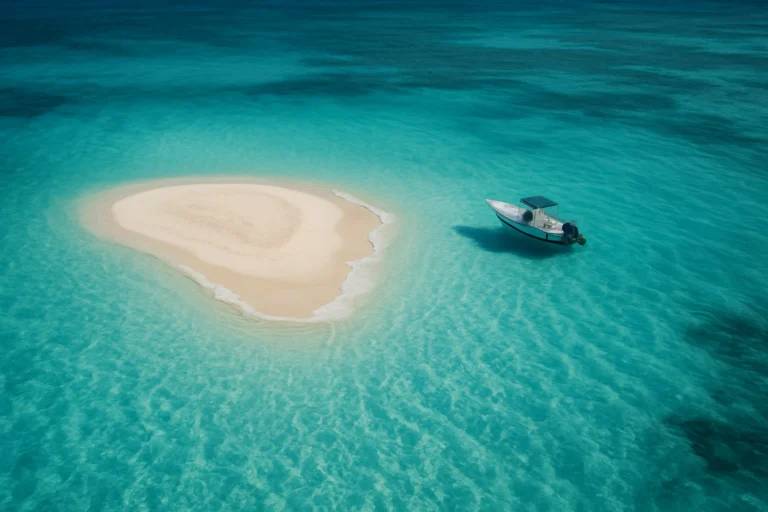
Many full-day products pair a morning whale-watch with an afternoon island stop at Cayo Levantado, also known as Isla Bacardí. The island is a short crossing from Samaná town, typically about 20 minutes by boat, and organized day trips from Las Terrenas commonly include lunch and beach time. Local tour listings show operators offering combined options that add snorkeling or a relaxed beach afternoon.
If you prefer more nature and fewer beach crowds, schedule Los Haitises National Park as a separate day. Boat-and-walk tours into Los Haitises highlight mangroves, sea caves and birdlife and pair naturally with an overnight near Sabana de la Mar or a stay at a nearby eco-lodge.
Geek Move: book a morning whale-watch with an operator that drops you back in Samaná town for a mid-afternoon ferry to Cayo Levantado. You get peak whale conditions and a calmer island experience in the same day.
Where to base yourself
Neighborhood choice depends on the trip tone you want:
- Las Terrenas: lively, with a broad dining scene, kite-surf beaches and straightforward hotel-to-pier connections. Good for friends and couples who want restaurants, nightlife and beach options.
- Las Galeras: quieter and small-town in feel, ideal for travelers seeking a relaxed base close to Playa Rincón.
- Samaná town: the most convenient location for early departures and shortest transfers to the pier.
- Eco-lodges: properties near Los Haitises such as Altos de Caño Hondo and Paraíso Caño Hondo suit travelers seeking a nature-first stay; higher-end beachfront options in Las Terrenas include Sublime Samana.
Practical logistics: getting there and getting around
Air and road logistics shape how much time you can sensibly spend on whale days. Samaná El Catey International Airport (AZS) is roughly 20 to 30 minutes by road to Las Terrenas. If you fly into Santo Domingo (SDQ), plan about a two hour transfer to Las Terrenas depending on traffic and route. Many hotels and lodges offer transfers or can recommend a shuttle service.
El Limón waterfall and other half-day excursions
El Limón waterfall is a common half-day outing from Las Terrenas. Tours typically include a short hike or a horseback option and are easy to schedule on a non-whale day or as a lighter day after an early whale trip.
Packing and sea-day essentials
- Motion-sickness medication if you are prone to seasickness.
- Reef-safe sunscreen, a light wind layer and water-resistant phone protection.
- Binoculars and a camera with a telephoto lens if you want closer framing.
- Small cash for tips and incidental purchases, and confirmation whether the tour includes sanctuary entry or lunch.
Costs and what to expect on price
Pricing varies by operator, boat size and inclusions. Organized day-trip listings show combined whale-and-island packages with lunch; public crossings to Cayo Levantado were observed around $10 to $25 round-trip when checked on local listings. Private charters and small-boat specialty trips cost more and are better value for travelers seeking space, focused commentary and flexible timing. Always confirm inclusions and current prices at booking.
Responsible whale-watching etiquette
Responsible watching keeps whales safe and preserves the experience for future visitors. Operational rules in the MMARN materials include limits on boats per sighting and prohibitions on swimming with whales. Choose licensed operators who follow these rules, avoid chasing animals, and expect the captain to reduce speed and distance around calves and mothers. If you witness a vessel breaking the rules, report it to local authorities, who are responsible for enforcement.
Sample three-day weekend itinerary
Day 1 – Arrive; settle into Las Terrenas or Samaná town and walk a nearby beach at sunset. If you arrive early, confirm your whale-boat pickup time for the next morning.
Day 2 – Morning whale-watch from Samaná port with a licensed operator; afternoon ferry to Cayo Levantado for beach time and lunch; return to your hotel.
Day 3 – Choose a half-day El Limón waterfall excursion or a Los Haitises boat tour, then depart.
Who this trip is best for
Samaná whale watching suits families, couples, friends and wildlife travelers who want a short, high-reward nature escape. It is also a good match for anyone who values accessible wildlife viewing with a beach-day finish. Travelers who prefer fewer crowds should plan for January or late March, or book private or small-group departures.
Final booking checklist
- Confirm MMARN authorization and the operator’s safety record.
- Ask what the trip includes: transfers, lunch, hydrophone, naturalist, and restroom facilities.
- Check transfer times from your arrival airport, especially if you have a same-day whale trip planned.
With a little early planning and the right operator, you can combine an unforgettable whale encounter with a lazy island afternoon on Cayo Levantado or a nature-rich day in Los Haitises. That is the Getaway Geek move: spend smarter, travel better.
Travel information, prices, availability, requirements, and policies were accurate when researched and may change. Confirm current details directly with the relevant provider or official source before booking or traveling.