Cenote-Hopping and Eco-Resort Pairings: Riviera Maya Itinerary 2026
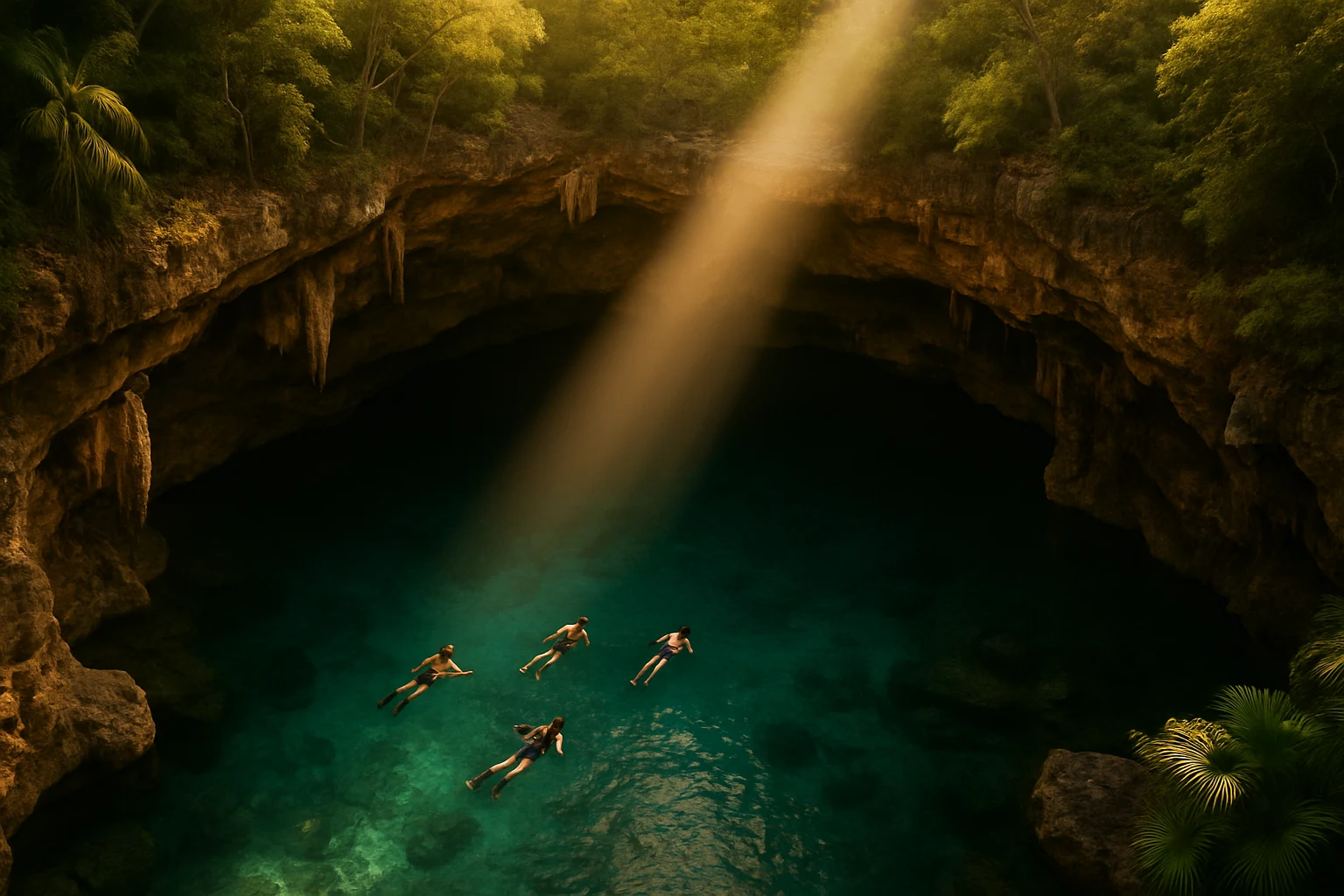
Start small and cinematic: a shaft of light through a cenote cavern, wet stone glinting, a reef of tree roots below. That kind of image is why many travelers build a short Riviera Maya trip around cenotes and an eco-minded resort stay. This guide gives you planning-ready 3- and 5-day itineraries, safety and certification realities, practical packing, and smart pairing ideas so you can spend time in the water instead of stressing logistics.
When to go
The dry season, November through May, generally offers the clearest cenote water and steadier beach weather, which is why photographers, snorkelers and divers prefer that window. Shoulder months in November and April can help you avoid the busiest days while preserving water clarity.
What a cenote trip actually looks like
Cenotes come in distinct moods. Open cenotes are daylight pools with shallow ledges and easy access, ideal for families and casual snorkeling. Cavern cenotes offer partial ceilings and the cinematic shafts of light photographers chase. Full cave systems extend into overhead environments and are the domain of trained cave divers. There are also mangrove or brackish channels, which feel different from freshwater pools and show a different palette of reflections and wildlife.
Quick list of sites by vibe
- Photographic caverns: Gran Cenote, known for dramatic light in daylight zones.
- Extensive systems and classic dives: Dos Ojos, notable in dive operator listings for cavern and cave experiences.
- Mangrove channel character: Casa Cenote, with reflective mangrove scenery and a quieter pace.
- Open, snorkel-friendly pools: Cenote Azul and Cenote Cristalino, accessible between Playa del Carmen and Akumal.
- Brackish lagoon snorkel: Yal-Ku in Akumal, a popular alternative to open cenotes for snorkeling.
Geek Tip: Wear a light rash guard to the gate. It reduces sunscreen use at sensitive sites and keeps you comfortable after the mandatory freshwater rinse at many parks.
Rules, ecology and safety to respect
Cenotes are part of a fragile aquifer system. Many parks require a freshwater shower before entry and restrict or prohibit sunscreen, insect repellent and other personal-care products. Rules vary: some permit biodegradable sunscreen after the rinse, others prohibit it completely. Additional park rules can include life jacket use, guided routes, camera fees or snorkel rental policies. Because each site sets its own operational details, confirm entry rules and payment methods before you go.
These are not just permit footnotes. In May 2026 a crocodile bite at Casa Cenote prompted local authorities to tighten oversight of cenote activities. That incident is a reminder that cenotes are living ecosystems, and staff directions and posted rules are the simplest safety measure for visitors.
Geek Check: Verify the park rules for every cenote on its official page or the operator you book with, including shower requirements, sunscreen policy, camera fees and whether the site enforces a guided route. Operational details change often.
Diving and certification: cavern versus cave
There are three common experiences underwater. Snorkeling and shallow guided swims are open to most visitors. Cavern dives stay within the daylight zone and typically require a cavern endorsement or equivalent from a recognized agency; operators often list minimum certification requirements. Full cave penetration requires specialized training, redundant gear and formal cave certification. PADI and other agencies list cavern- and cave-specialty courses and operators that run cavern dives; if you plan to dive, book with operators who declare cavern- or cave-qualified staff and confirm their minimum certification rules ahead of time.
Where to base yourself and why it matters
Choose a base that matches your pace. Tulum is convenient for a cluster of cavern and cavern-cave sites and has easy access to Gran Cenote and nearby caverns. Playa del Carmen and the corridor toward Akumal work well if you want quicker access to open cenotes like Cenote Azul, Cenote Cristalino and Yal-Ku, or if you prefer shorter drives between sites.
Pairing an eco-minded resort with cenote days gives the trip contrast: dense jungle mornings, thermal showers and spa time in the afternoon, then a low-key terrace for sunset. Some properties publish regenerative programs and sustainability practices, which can be a meaningful tie-in for travelers looking to offset their visit with responsible choices. Always confirm specific sustainability claims and inclusions directly with the property.
Sample itineraries
3-day itinerary: A concentrated taste
Day 1, arrive and settle: Relax at the resort, time your evening for a short walk or a low-key meal close to your lodging.
Day 2, the cinematic day: Get an early start for a morning visit to a cavern-style cenote for the best light. Midday, change and eat locally, then visit a nearby open cenote for a gentler afternoon swim or snorkeling session. Return to the resort for a restorative massage or a slow evening.
Day 3, easy half-day: Head to a nearby lagoon or brackish site for snorkeling with varied marine life, then return for departure. If you have limited time, pick one cavern and one open pool over trying to visit many sites in a single day.
5-day itinerary: Adventure plus restoration
Day 1, arrival buffer: Recover from travel, settle into the resort and get your bearings.
Day 2, photographic caverns: Spend a morning at a light-filled cavern cenote, followed by an afternoon at a shallow, snorkel-friendly pool for contrast and calm.
Day 3, guided cavern or cavern-diving day: Book a guided cavern experience with a qualified operator; if you are planning to pursue cave training, consider a specialty course over multiple days.
Day 4, mangrove and slow day: Visit a mangrove-channel cenote in the morning and spend the afternoon on resort wellness programming.
Day 5, departure buffer: Pack, one last swim if time allows, and leave for your onward travel with a margin for any timing hiccups.
Transport and timing basics
ADO intercity buses provide affordable service from Cancun toward the Riviera Maya, with typical trip durations in the 2 to 2.5 hour range for the Cancun to Tulum route; private transfers are a common choice if you want door-to-door service and an early start for opening-hour cenote visits. Confirm bus timetables and private transfer options when you book.
Money and bookings
Many cenote parks charge separate entry, snorkel or camera fees, and offer life jacket or mask rental. Fees and accepted payment methods vary; some parks are cash friendly and some accept cards. For cavern dives and specialty courses, prebook with certified operators that list their minimum certification requirements.
What to pack
- Rash guard, the single best item to limit sunscreen use at restricted sites.
- Water shoes or reef shoes for rocky or slippery park entries.
- Small dry bag and waterproof phone case for gear and shore-side photos.
- Your own mask and snorkel if you prefer a custom fit; many parks rent equipment.
- Light wetsuit shorty if you get cold, or if you plan multiple dives.
- Small bills in Mexican pesos for entrance fees and park purchases.
Geek Tip: Pack pesos in small denominations and a lightweight quick-dry towel. Many gates favor small bills, and a compact towel keeps you mobile between sites without hauling resort laundry to the cenote.
Photography and filming basics
Cenotes are excellent for cinematic photography: shafts of light, reflections and dramatic textures. Respect park rules about camera fees and equipment. A waterproof case or small underwater housing covers most mobile and compact-camera needs; larger rigs may require a declared camera fee or operator approval.
Who this trip is best for
- Friends and couples who enjoy a mix of outdoor adventure and restorative resort time.
- Eco-conscious travelers who want properties that publish regenerative or sustainability programs.
- Snorkelers and certified divers who want to explore a variety of cenote types, from open pools to daylight caverns.
Selecting your best-value approach
If value is a driver, pick a base with short drives to two to three top sites and limit long transfers. Pair one cavern visit with one open cenote in a day for contrast without exhaustion. If you are pursuing certification, budget the additional days the course requires rather than squeezing it into a tight schedule.
Geek Move: Rather than racing through many cenotes, pick one memorable cavern and one accessible open pool for the same day. You get cinematic photos and varied water time, with less driving and more rest.
Health, safety and final checks
Follow staff instructions, especially around wildlife and entry points. Check the U.S. Department of State or your home government travel guidance before departure, and confirm local conditions once you arrive. For diving, confirm the operator’s stated certification minimums and that their staff list cavern- or cave-qualified instructors if you plan a guided cavern dive or specialty training.
Wrapping up, a cenote-focused short trip paired with an eco-minded resort gives a satisfying mix of otherworldly underwater scenery and restorative land time. That combination is the smarter escape for travelers who want both adventure and low-impact choices. That is the Getaway Geek move: spend smarter, travel better.
Travel information, prices, availability, requirements, and policies were accurate when researched and may change. Confirm current details directly with the relevant provider or official source before booking or traveling.